Notice before exterior abatement
Nothing starts without paperwork. CDPH Form 8551 is completed by the abatement contractor, reaches CDPH at least five days before the first day of work, and is posted at every entrance to the work area. CDPH guidance also calls for written notice to people who live in the house and in dwellings next to it, a point that counts on a duplex or a narrow side yard.
Historic screening and permits for exterior work
Hayward screens permit applications for structures at least 50 years old, or inside a historic district, to decide whether a historical alteration permit is needed. Section 10-11.050 of the ordinance exempts residential properties developed under a tentative tract map after 1946 from the historical permits, so a tract-built 1950s house may be outside the screening where a 1920s bungalow on its own lot is not. Maintenance and repair that keep design, material and appearance unchanged are not prevented, and owners must keep exteriors in good repair.
Whether a particular repaint or re-siding job needs a permit is a question for the city’s Permit Center. No Hayward permit rule specific to lead came up; the lead rules come from the state and the EPA.
What affects the cost
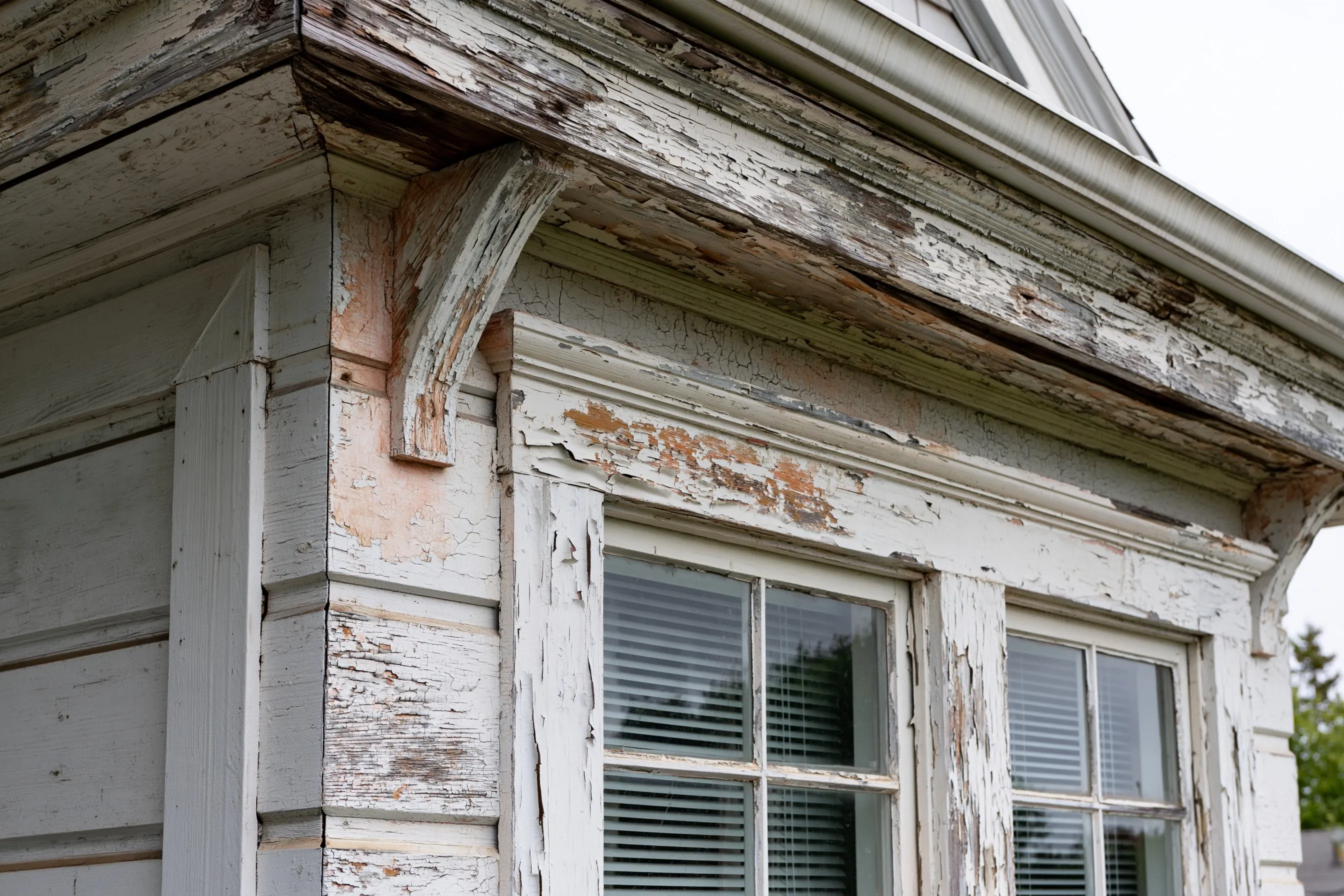
Exterior pricing moves with access (ground and ladders for one story, wrapped scaffolding for two), the amount of failing paint, rotted boards, stripping versus stabilizing, and the notice and clearance that come with permanent abatement.